Introduction
Imagine checking your mailbox and finding a bill for a credit card that you never actually opened. At first, you might assume it’s a mistake. Maybe the company sent it to the wrong address?
That’s when you notice something concerning: The bill has your full name, your address, and an account number you’ve never seen before.
Finally, the worst has happened. Someone else has been using your identity.
Unfortunately, identity theft isn’t always as obvious as a stranger making purchases with your stolen credit card. Criminals can use your personal information to open accounts, apply for loans, file fraudulent tax returns, and even obtain medical services.
Sometimes you won’t discover what’s happening until the damage has already been done.
What Exactly Is Identity Theft?
Identity theft happens when someone uses your personal information without permission. Usually, they do this to commit fraud.
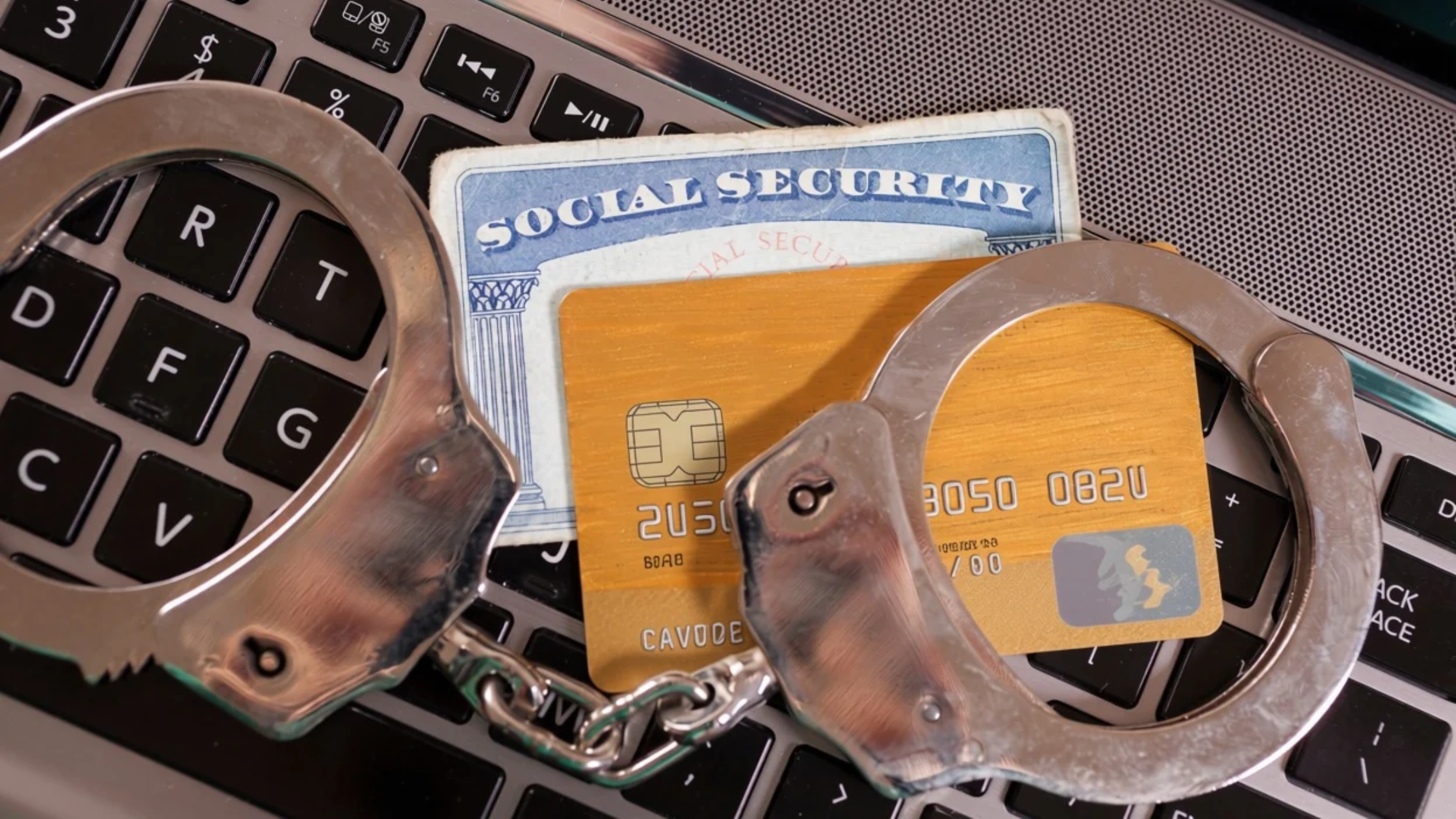
Personally identifiable information (PII) includes your name, Social Security number, birthday, address, driver’s license number, or financial account details.
So, how do cybercriminals get all of that information? They have myriad possibilities to target your private data. They steal it through data breaches, trick victims into providing it through a phishing message, or purchase stolen information from other bad actors on the Dark Web.
They also don’t necessarily need to steal everything at once. For example, a criminal might obtain your email address and phone number from one source, then combine them with information available through public records or social media posts.
The more information they collect, the easier it may become to spear-phish or impersonate you.
Identity Theft Isn’t Always About Credit Cards
When most people think about identity theft, they often imagine someone using a stolen credit card. That’s certainly one possibility, but criminals can do much more.
For example:
- Financial identity theft: Someone opens credit cards, applies for loans, or accesses financial accounts using your information.
- Tax identity theft: A criminal files a fraudulent tax return using your Social Security number to claim a refund.
- Medical identity theft: Someone uses your identity or insurance information to obtain healthcare services.
- Employment identity theft: A person uses your Social Security number or other identifying information to obtain employment.
Unfortunately, these activities can create problems that last long after the initial fraud occurs. You might discover unfamiliar debts, incorrect information in your medical records, or problems filing your taxes in the future.
How Would You Know Someone Stole Your Identity?
You might not receive an immediate warning when someone starts using your information. Instead, the first signs can seem completely unrelated.
Maybe you receive a collection notice for a debt you don’t recognize. Perhaps your bank contacts you about an unfamiliar account, or the IRS rejects your tax return because someone already filed one using your Social Security number.
Sometimes the warning comes through your credit report instead. According to the Federal Trade Commission, unfamiliar accounts, unexplained withdrawals, and bills for services you never received can all indicate identity theft.
The sooner you recognize the warning signs, the sooner you can start limiting the damage!
What Should You Do If Your Identity Is Stolen?
First, don’t ignore the problem or assume it will resolve itself.
The FTC provides a free recovery resource at IdentityTheft.gov. It can help you report identity theft and create a personalized recovery plan.
Depending on what happened, you may also need to contact affected financial institutions, dispute fraudulent accounts, and change compromised passwords.
One of the most useful protective steps is freezing your credit.
A credit freeze restricts access to your credit reports, making it harder for criminals to open new credit accounts using your identity.
You can request a freeze for free from all three major credit bureaus: Equifax, Experian, and TransUnion.
Fortunately, you can temporarily lift the freeze whenever you legitimately need to apply for credit!
How Can You Reduce Your Risk?
You can’t prevent every data breach or control what happens to information you’ve already shared. Still, a few everyday habits can make identity theft more difficult.
Be cautious about sharing your Social Security number, birthday, and other sensitive details unless they’re genuinely necessary.
Use unique passwords and multi-factor authentication to protect important accounts. Review financial statements regularly, and check your credit reports for unfamiliar activity through AnnualCreditReport.com.
Unexpected requests for personal information, even when the caller or message appears to come from a familiar organization, should always raise your suspicions. Plenty of hackers learn quite a bit about their victims before ever making contact. Just because somebody knows your name, address, or birthday doesn’t prove that their request is legitimate.
Conclusion
Identity theft can begin with something as simple as a stolen piece of personal information. Unfortunately, the consequences can extend far beyond an unauthorized purchase.
Criminals may use your identity to create debts, access services, or commit fraud that takes months to untangle.
Pay attention to unfamiliar accounts, protect your sensitive information, and act quickly when something doesn’t seem right.
After all, someone pretending to be you can create problems that the real you will have to solve!