Introduction
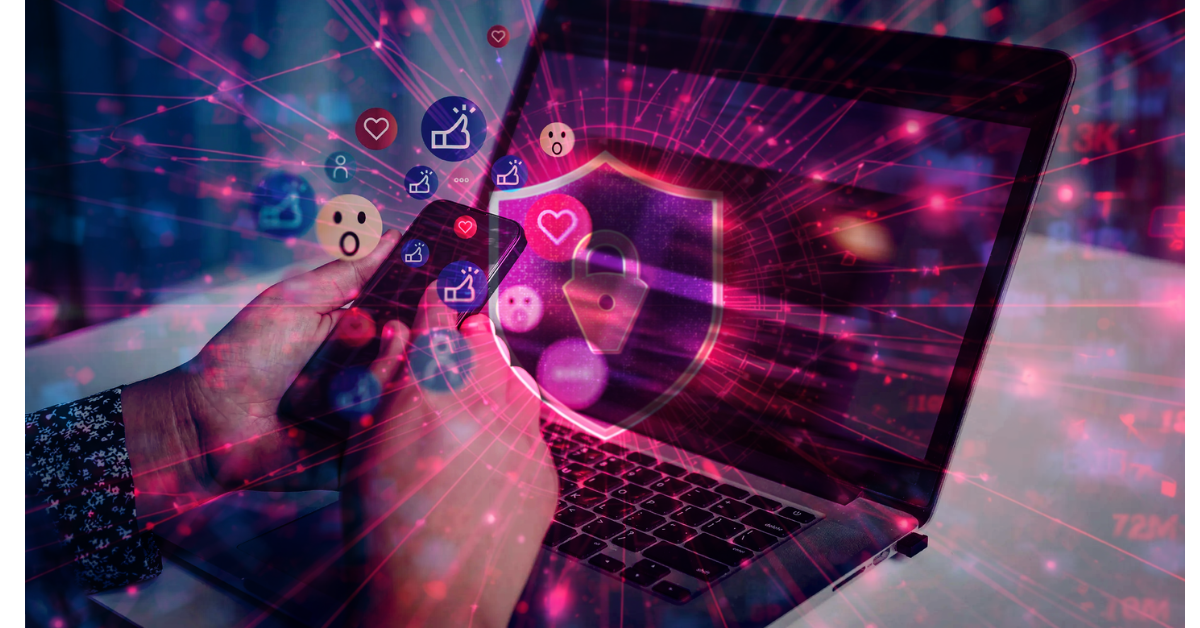
Most people think of social media as a place to share photos, connect with friends, and follow the latest news. That’s true, but cybercriminals see something different.
They see a platform full of personal information, trusted connections, and potential targets.
The more information you share online, the easier it becomes for attackers to build a profile of who you are, what you do, and how to target you. This is just one reason why social media security has become increasingly important for both individuals and businesses.
Why Social Media Creates Security Risks
Social media platforms are designed to encourage sharing. Unfortunately, the same information that helps friends connect can also help attackers thrive.
A public profile may reveal:
- Your workplace
- Your location
- Family members
- Travel plans
- Personal interests
- Contact information
Individually, these details may seem harmless. Combined together, they can help criminals craft highly convincing phishing emails, impersonation scams, and social engineering attacks.
Simply put: The more information attackers have, the more believable their scams become.
Recent Security Concerns
Cybercriminals frequently target their victims via social media. Over the past few years, they have subjected victims to…
- Account takeover attacks
- Credential theft campaigns
- Fake customer support scams
- Malicious advertisements
- Data scraping operations
More recently, cybercriminals have begun combining social media information with artificial intelligence tools to create more personalized phishing attacks, voice scams, and impersonation attempts.
This trend highlights an important reality: Information shared online rarely stays confined to the people who you intended to see it.
Securing Your Personal Accounts
Good social media security starts with protecting your accounts.
One of the most important steps is using strong, unique passwords. If the same password is used across multiple accounts, a breach on one platform can expose several others.
Password managers make this much easier by generating and storing complex passwords for you. Instead of remembering dozens of credentials, you only need to remember one strong master password.
Multi-factor authentication is equally important. Even if someone steals your password, a second authentication factor can prevent unauthorized access.
Most social media platforms now offer multi-factor authentication through their security settings. Enabling it only takes a few minutes and provides significant protection!
Review Your Privacy Settings
Many users never review the privacy settings on their social media accounts. It’s an easy but massive mistake to make.
Most platforms allow you to control:
- Who can see your posts
- Who can contact you
- Whether your profile appears in search results
- What information is publicly visible
Limiting public access does not eliminate risk completely, but it reduces the amount of information available to attackers.
A few minutes spent reviewing privacy settings can significantly improve your online security.
Why This Matters to You
Many organizations use social media for marketing, customer service, recruiting, and public communication. If you have access to a compromised business account, it can damage reputation, spread misinformation, or expose sensitive information.
At the same time, publicly linking your personal accounts to your company’s pages can also teach cybercriminals important information about you, which they can use to create more convincing scam messages.
Does your organization have clear social media policies that define:
- Who has access to company accounts
- How credentials are managed
- What information can be shared publicly
- How suspicious activity should be reported
Clear expectations help reduce unnecessary risk! If there’s no policy in place, then ask about what precautions your security team recommends.
Protecting Your Online Presence
Many organizations use additional security tools to protect social media accounts and brand identities.
Examples include:
- Password managers
- Multi-factor authentication
- Social media monitoring tools
- Account activity alerts
- Access management controls
These tools help detect suspicious behavior and reduce the likelihood of unauthorized account access.
Technology helps, but good habits remain the strongest defense against hackers!
The Future of Social Media Security
Artificial intelligence is already making scams more convincing. Attackers use publicly available information to create realistic phishing messages, clone voices, and impersonate trusted individuals. AI can quickly gather information from a profile to learn more about a subject, thereby letting them create more effective scams.
Deepfakes and AI-generated content will likely continue to make it harder to distinguish legitimate communications from fraudulent ones. As technology advances, users will need to become more cautious about what they share and how they verify information online.
Awareness will therefore become increasingly important!
Conclusion
Social media makes it easier than ever to stay connected, but it also creates opportunities for hackers. The information you share today could become part of a phishing attack, impersonation scam, or account takeover attempt tomorrow.
The good news? A few simple habits can dramatically improve your security. Strong passwords, multi-factor authentication, and thoughtful privacy settings all make it harder for attackers to succeed.
The safest approach is simple: Share carefully, secure your accounts, and remember that not everyone viewing your profile has good intentions.
Stay cyber-safe out there!