Introduction
Printing a document feels harmless. Perhaps you need a copy for a meeting, want to review something away from your computer, or simply find it easier to work from paper.
The problem is that once sensitive information leaves your computer and comes out of a printer, many of the security protections surrounding that information just…disappear.
There’s no password protecting a piece of paper sitting in the printer tray! Someone does not need to hack your account or bypass a firewall if the information they want is already sitting unattended in plain sight.
So how big of a part does physical security play in the overall cybersecurity of your network?
Digital Data Is Easier to Protect
Your computer and company systems have several tools that help keep information away from the wrong people.
Passwords and access permissions control who can open files. Encryption helps protect data from unauthorized access. Security tools can detect suspicious activity and block certain threats.
A printed document does not have any of those protections.
If you print a customer record, financial report, employee document, or anything else containing Personally Identifiable Information (PII), anyone who gets their hands on that piece of paper may be able to read it.
They don’t need your password when the information is sitting right in front of them.
The Problem With Forgotten Printers
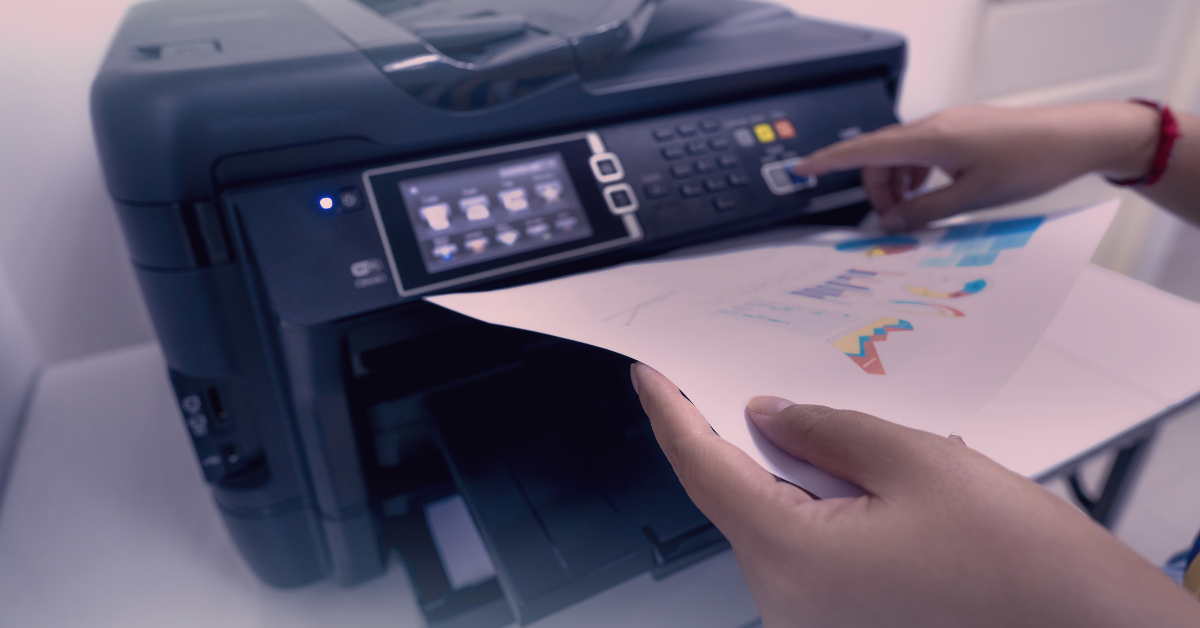
Think about how often you have printed something and then gotten distracted. Maybe someone stopped by your desk. Your phone rang. Perhaps you joined a meeting and completely forgot that you sent something to the printer.
Meanwhile, your document is sitting in the printer tray where coworkers, visitors, contractors, or anyone else nearby could potentially see it.
Shared office printers make this particularly risky because dozens of people may use the same machine throughout the day.
Someone could accidentally pick up your document with theirs, photograph sensitive information, or simply see something that they were never supposed to access.
Paper Can Cause Data Leaks Too
Cybercriminals collect information from wherever they can find it, and not every cyberattack begins online. A discarded document containing an employee’s name, email address, job title, account number, or other information could help an attacker create a much more convincing phishing or impersonation scam.
More sensitive paperwork can create even bigger problems. This may include:
- Customer or patient information
- Social Security numbers
- Financial records
- Employee information
- Contracts and legal documents
- Account numbers or payment information
A criminal does not necessarily need enough information to steal your identity immediately. Sometimes they only need a few details that make their next attack more believable.
What Happens After You’re Finished?
The cybersecurity risk does not disappear when you pick up your document from the printer.
You also need to think about where that paper goes next.
Leaving sensitive paperwork on your desk, carrying it around unnecessarily, or tossing it into a regular trash can can expose information long after you finish using it.
Your organization may require confidential documents to stay in locked storage or go into a secure shredding bin when you no longer need them.
Remember, throwing away a document does not make the information printed on it disappear!
Print With a Purpose
We cannot stop printing documents altogether, but you should stop and think before you click Print.
A few simple habits can make a big difference:
- Only print sensitive information when you actually need a physical copy.
- Pick documents up from the printer immediately.
- Use secure or PIN-protected printing if your workplace provides it.
- Never leave confidential paperwork unattended in shared spaces.
- Securely destroy sensitive documents when you no longer need them.
If you are unsure how you should handle a particular document, ask before you print it.
Conclusion
We spend so much time protecting passwords, computers, and online accounts that it is easy to forget how much valuable information still exists on paper.
Cybercriminals care about the information itself, not whether they stole it from a computer screen or found it sitting on a desk.
Treat confidential paperwork with the same caution you give its digital version. Pick it up promptly, keep it somewhere secure, and properly destroy it when you no longer need it.
Sometimes protecting your data is as simple as remembering what you left sitting in the printer tray.